
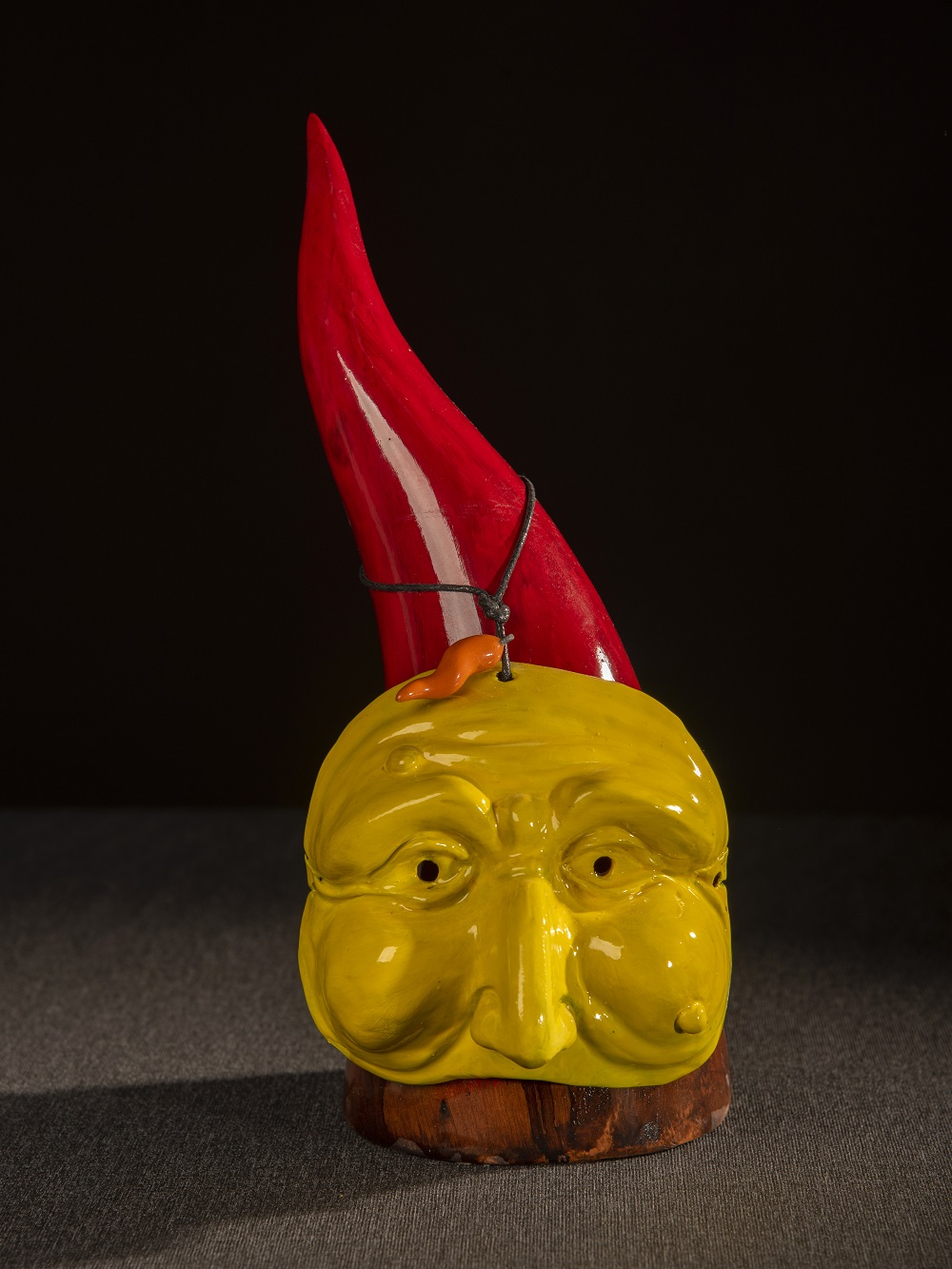
The Horn: symbol of luck and good fortune
Red, pointed, often twisted like a chili pepper. It is the Neapolitan horn, or rather, “'o curniciello,” the amulet par excellence.
No other object better represents the superstitious spirit of the Neapolitan people. Carrying it with you is an instinctive, almost natural gesture: a way to ward off bad luck and attract good fortune.
But the horn is not just a lucky charm. It is an ancient symbol, with roots in pagan cults, mythology, and peasant culture.
Originally, it represented masculine strength, fertility, and power. Today, it has become the antidote to envy, the evil eye, and negative energies that linger where there is success or happiness.
There are rules to follow: it must be given as a gift, never bought for oneself. It must be handmade, preferably from coral, ceramic, or terracotta. And it must have an irregular shape, almost lifelike. Every horn has a soul, they say. And Naples believes it.


The horn also has its place in the Neapolitan nativity scene. Perhaps hanging on a door, or in the hands of a cunning character.
At Bottega Ferrigno, we make figurines that celebrate good luck, and it is not uncommon to find a horn seller or a craftsman busy shaping them among the shepherds.
It is a way of bringing not only religion into the nativity scene, but also the hope, optimism, and desire for protection that have always accompanied the Neapolitan people.